The history of the Rosicrucian Order encompasses two complementary dimensions. The first refers to the Primordial Tradition, understood as the continuous transmission of an ancestral wisdom originating in Ancient Egypt. The second is grounded in the study of primary historical sources, which allows us to trace the historical development of the Rosicrucian Tradition.
Before the advent of Rosicrucianism, the central concept was that of the Primordial Tradition, preserved within the teachings of the Mystery Schools.
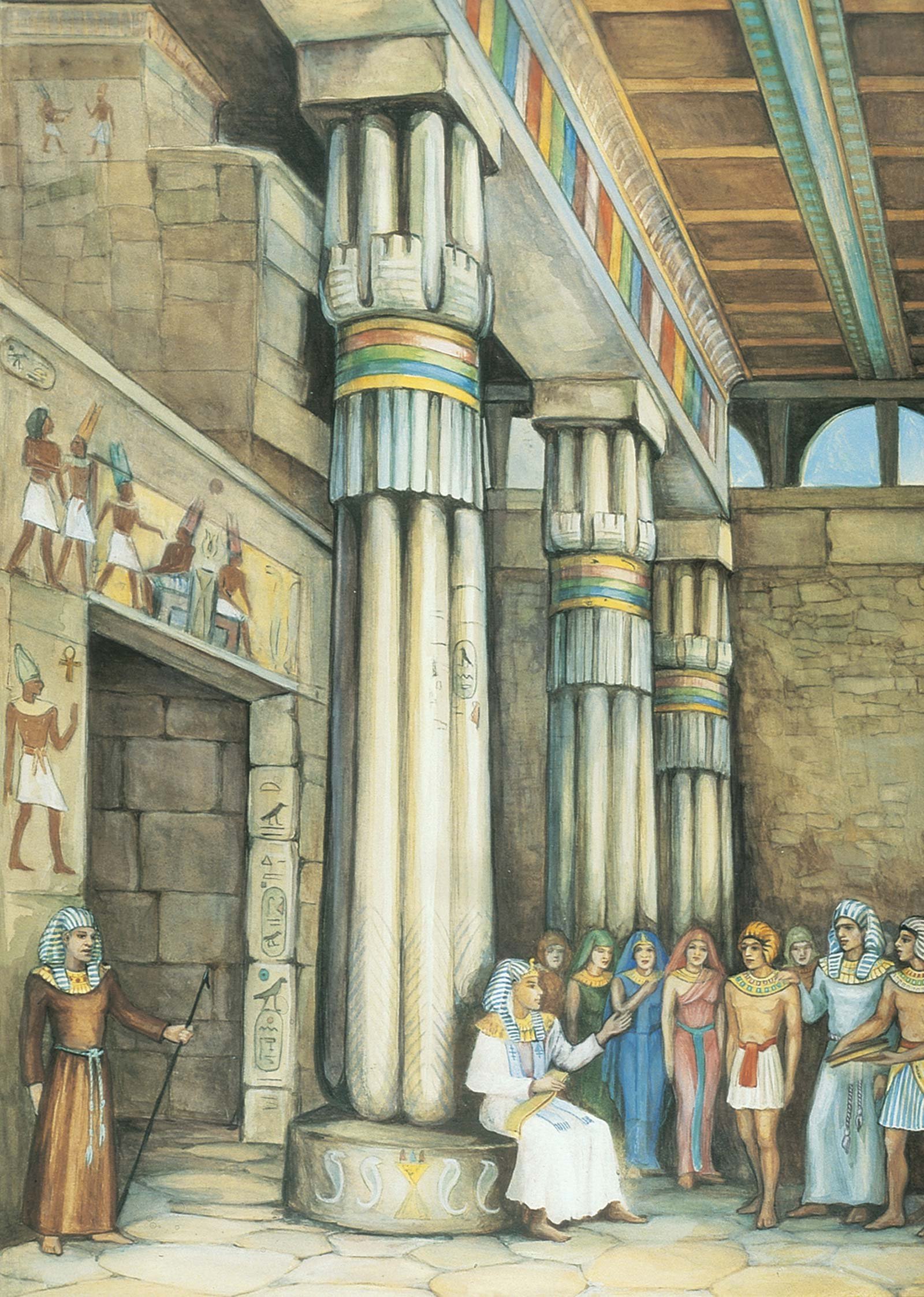
The "Primordial Tradition" permeated the knowledge safeguarded by the Mystery Schools (Per Ankh) of Ancient Egypt. These schools flourished under Pharaoh Akhenaten, who introduced monolatry and reforms that transformed Egyptian art and architecture. Beginning in the 5th century BCE, Greek sages such as Herodotus were initiated into these mysteries, ensuring their transmission to the Hellenic world and, subsequently, to future generations.
Until the appearance of the Rosicrucian Manifestos, alchemy and esotericism followed a long historical journey, spanning from Greco-Roman Antiquity to the Protestant Reformation and the religious wars of Europe.
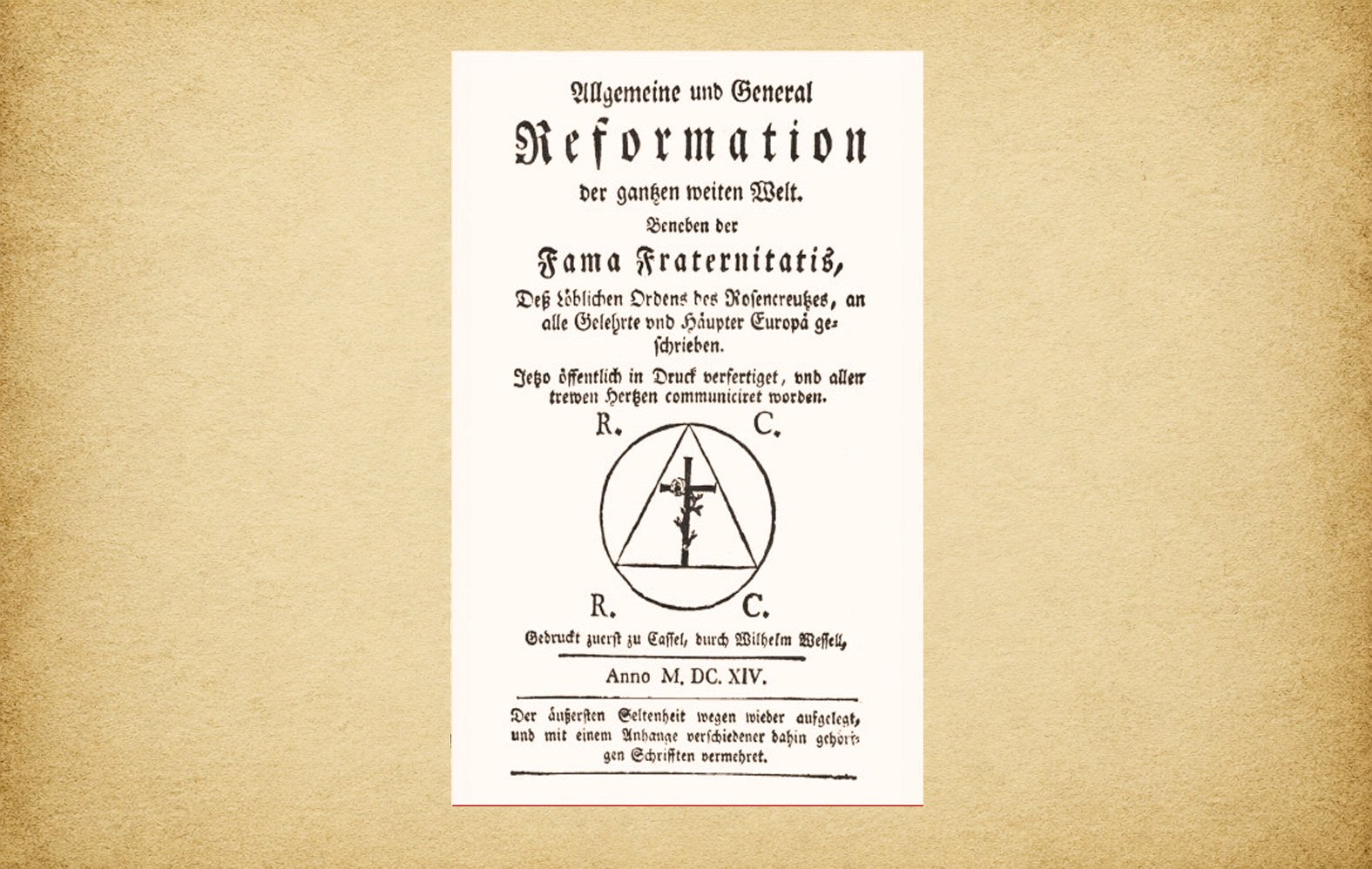
During the seventeenth century, Europe was immersed in a climate of chaos and instability. It was within this context that the Fama Fraternitatis was published in Germany as a call for the restoration of universal harmony. The manifesto proclaimed the need for a general reformation and the reorganization of troubled European society, presenting the Rosicrucians as a fraternity bearing a viable plan for the renewal of the world.
Written in two parts, the manifesto first recounted the origins of the Fraternity before describing the rediscovery and opening of the tomb of its founder, C.R.C. What the Rosicrucians had found beneficial for themselves was offered to all who considered its purpose worthy and desired to be further instructed. It also announced the existence of a plan whose full presentation would later be developed in the Confessio Fraternitatis.

The Confessio Fraternitatis served as the official declaration explaining why the Rosicrucians chose to reveal themselves and open their ranks in seventeenth-century Europe. Adopting a conciliatory and compassionate tone amid a period of profound ideological conflict, the text addressed a humanity fearful that it was witnessing the end of times.
Its central promise was that of a great spiritual reformation, proclaiming that the course of a declining Nature was being restored to its original purity. This restoration would provide safe refuge from tribulations and the blows of fate to those who were truly prepared to awaken.
The conclusion of the Confessio was abrupt and mysterious, ending without offering any direct means of contact with the Fraternity. Yet the intellectual and spiritual ferment stirred by these declarations continued to resonate throughout the European imagination, preparing the stage for the revelation that would follow: The Chymical Wedding of Christian Rosenkreutz.
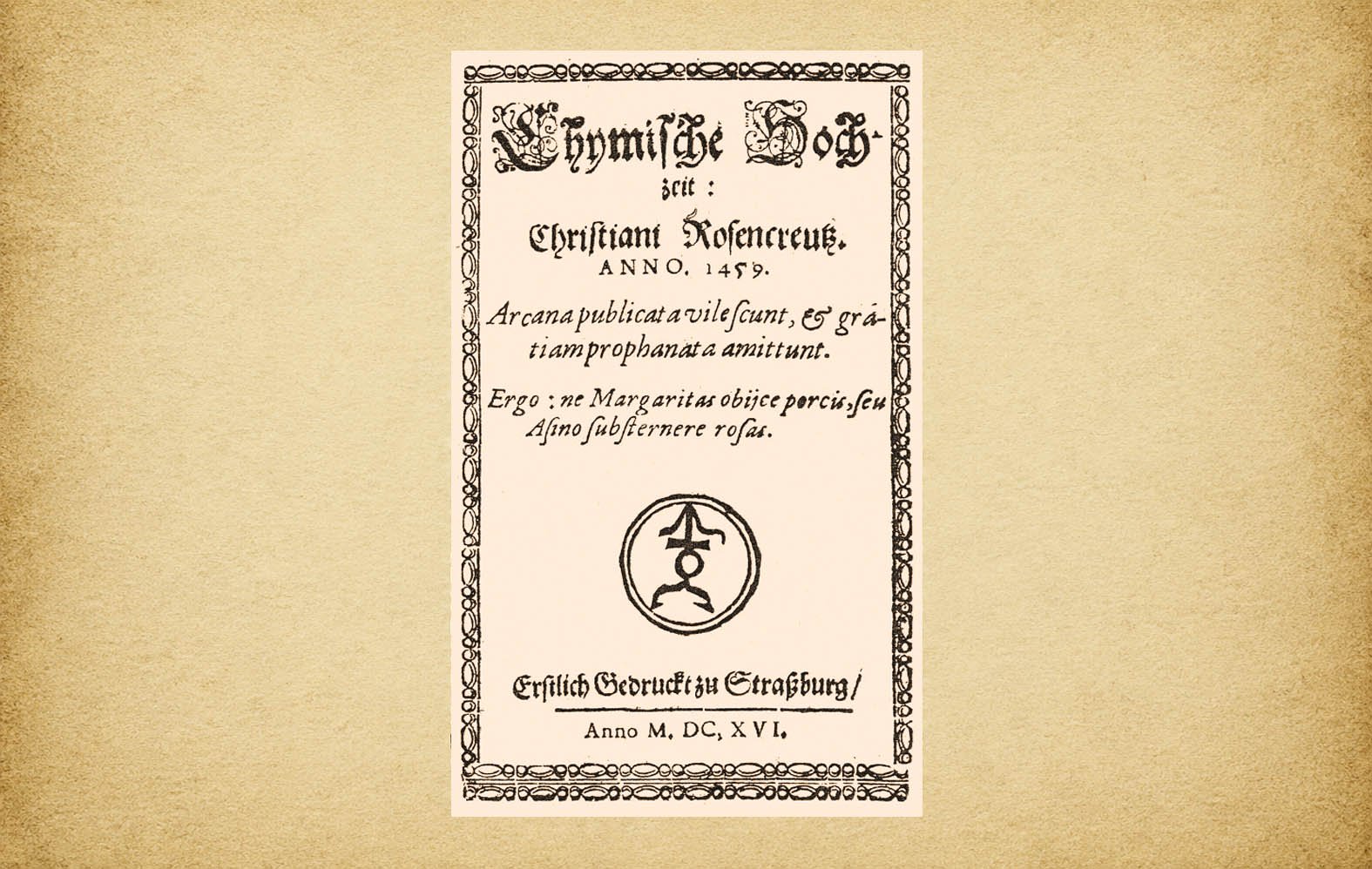
The third manifesto appeared the following year. The Chymical Wedding of Christian Rosenkreutz is an autobiographical and allegorical account set in the year 1459. The narrative describes how the mythical figure of Christian Rosenkreutz, during an Easter vigil, receives from a winged messenger an invitation to the wedding of a king and queen—an event he had foreseen years earlier in a dream.
Due to its allegorical nature and alchemical terminology, the work details the difficulties of his journey and the mystical subtleties of the metaphysical operations taking place throughout the event. The Chymical Wedding portrays a process through which the individual, whether intentionally or not, emerges from the furnace of life's experiences transformed into a new being, culminating in the awakening of life itself.
Following the publication of the three Rosicrucian Manifestos in the seventeenth century, the Rosicrucian Order became known throughout Europe and attracted the interest of many seekers. Its movement permeated society in a silent and discreet manner; through small and reserved circles, the Rosicrucian Tradition crossed the centuries, preserving its teachings and ideals alive.
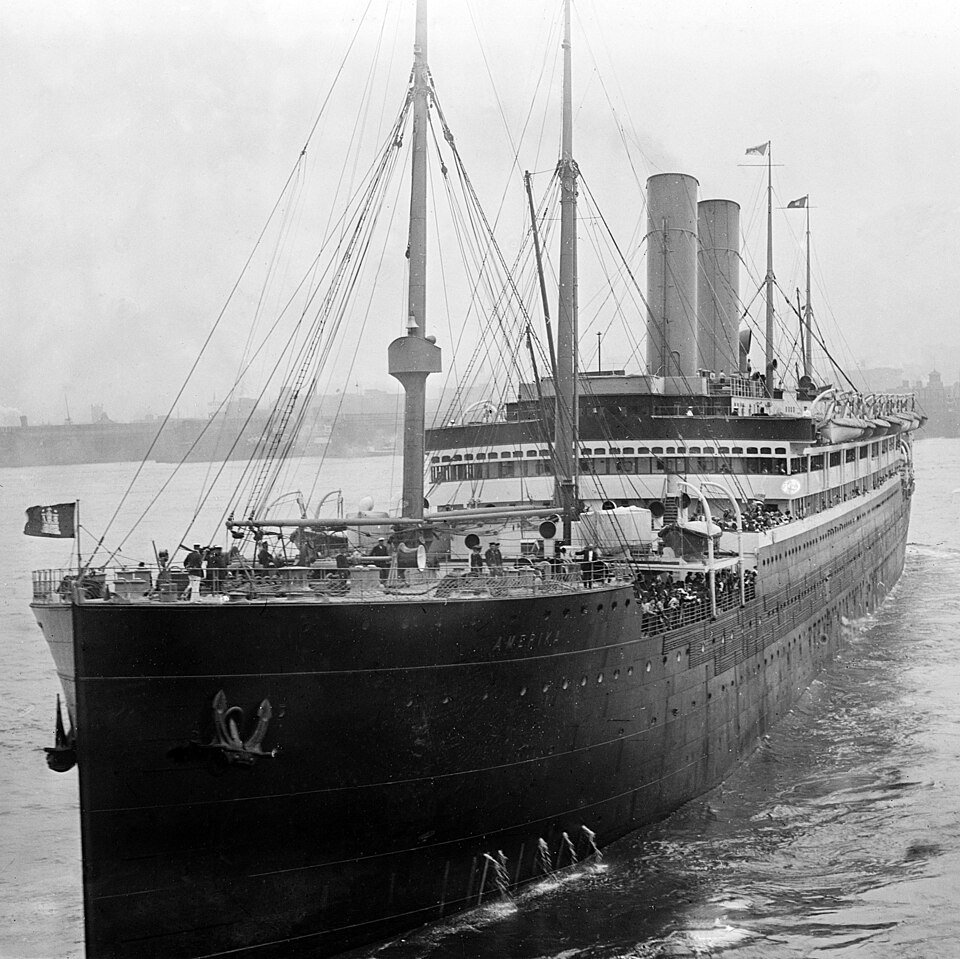
On July 24, 1909, Harvey Spencer Lewis and his father boarded the steamship Amerika bound for Europe. They arrived in Cherbourg, France, on August 1, 1909, and continued by train to Paris. After conducting research there, Lewis traveled to Toulouse, where, on August 12, 1909, he met an archivist of the Rosicrucian Order.
Following their conversation, the archivist informed him that H. Spencer Lewis had been deemed worthy of receiving further instruction and of meeting the Grand Master of the Order that very day. Harvey was then initiated by Count Raynaud E. de Bellcastle-Ligne at his castle, which housed an ancient Lodge that had remained inactive since 1850.
There, Lewis received a cross adorned with a rose and the mission of establishing the Order in America. Having received all the necessary instructions and authorizations, he returned to the United States in September to prepare the way for the implantation of Rosicrucianism in the Americas.
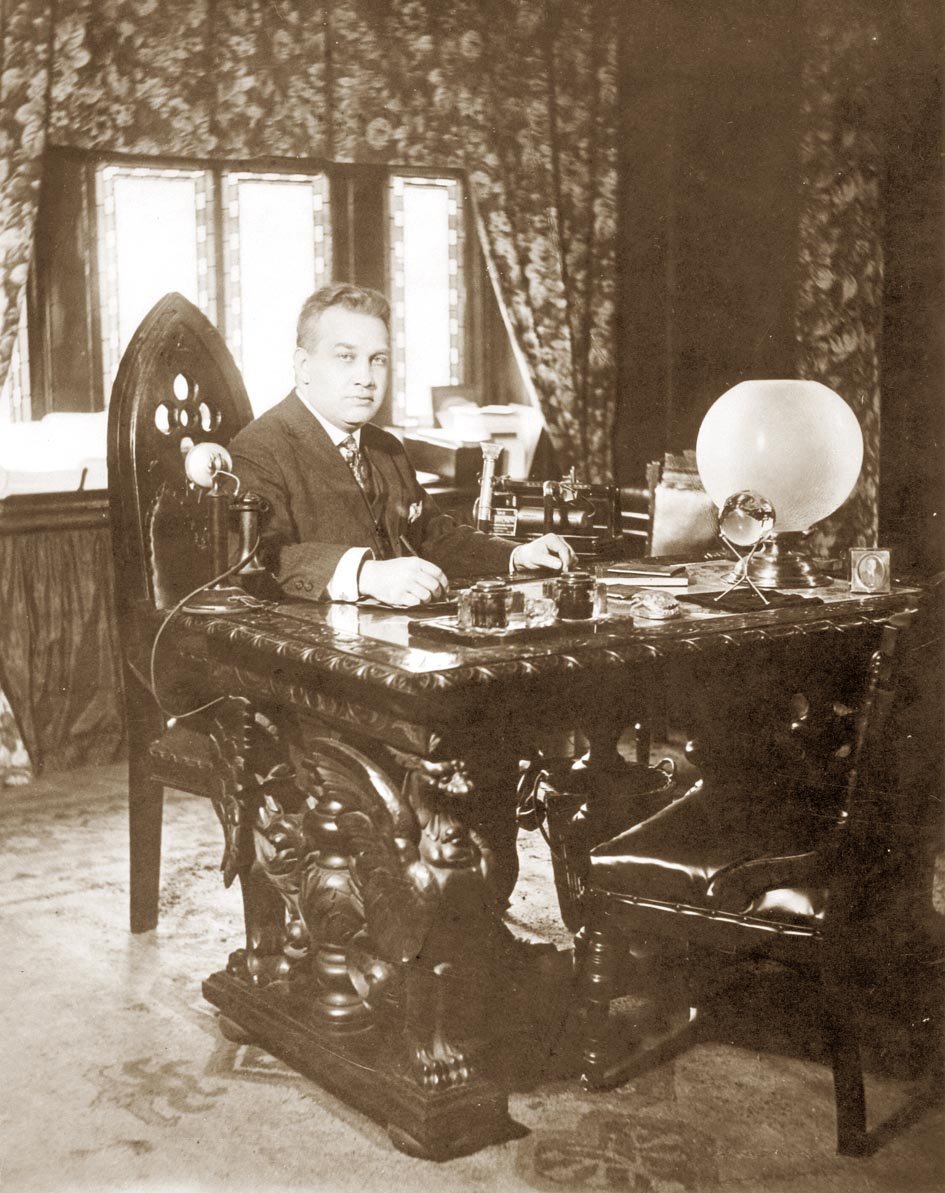
The official founding of the Ancient and Mystical Order Rosae Crucis (A.M.O.R.C.) took place on April 1, 1915, in New York, crowning years of quiet preparation undertaken by Harvey Spencer Lewis following his initiation in Toulouse. From that moment onward, its expansion accelerated, reaching numerous cities throughout the United States.
In 1927, the Order transferred its headquarters to San Jose, California, where the remarkable Rosicrucian Park was established. This historic milestone not only strengthened the Fraternity but also gave rise to a vibrant current of Light dedicated to preserving and transmitting the teachings of the Primordial Tradition to the seekers of the modern age.
Rosicrucianism established solid foundations in the United States and, from there, expanded throughout the other continents, consolidating its presence in most countries around the world. United by the same ideals of Light, Life, and Love, Rosicrucians of different languages and cultures keep alive a Tradition that continues to inspire generations.
Today, the Supreme Grand Lodge of AMORC is located in Italy, and Frater Claudio Mazzucco serves as Imperator.
✦ Supreme Grand Lodge ✦
Antiquus Mysticusque Ordo Rosae Crucis